Mânzălești · Buzău · Romania
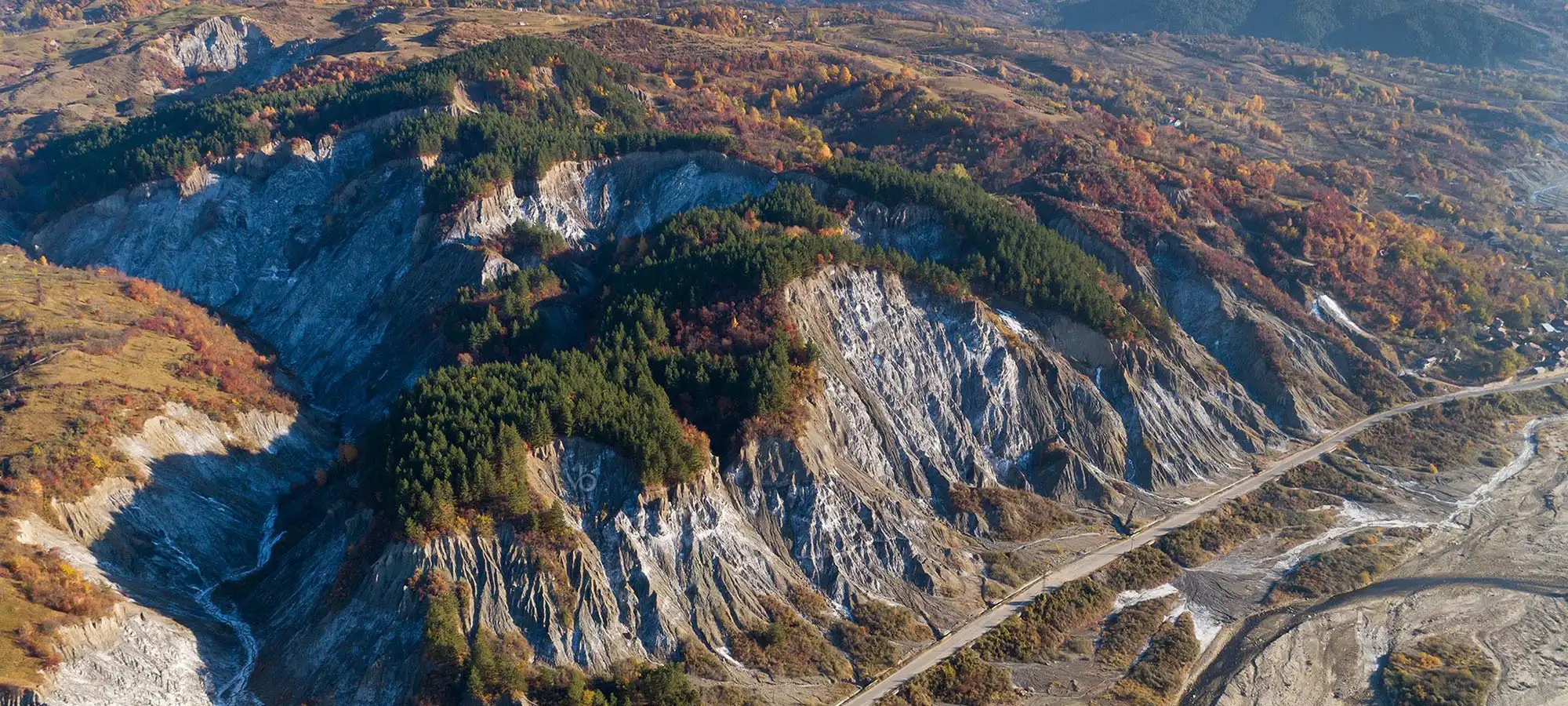
The Meledic Plateau in the heart of Buzău Land UNESCO Global Geopark
A plateau of salt, lakes and forests in the Curvature Subcarpathians, in Mânzălești, northern Buzău County, Romania.
≈ 3.2 kmthe longest salt cave in Europe
≈ 182 kmfrom Bucharest
2022approved by UNESCO, renewed in 2025
Meledic
Salt, lakes and forests
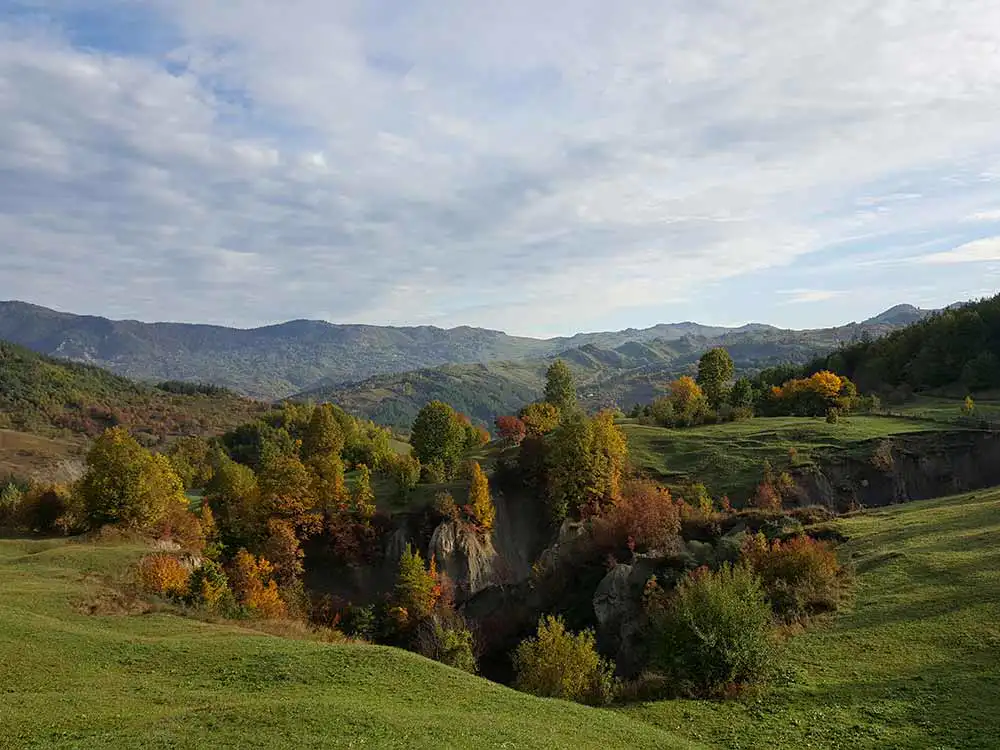
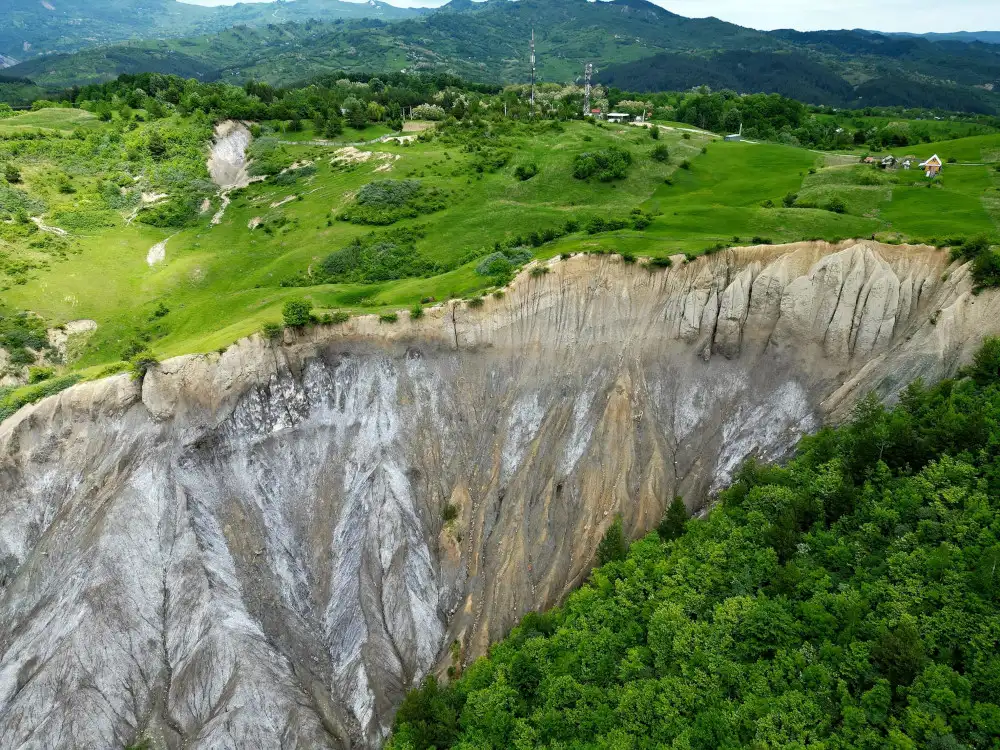
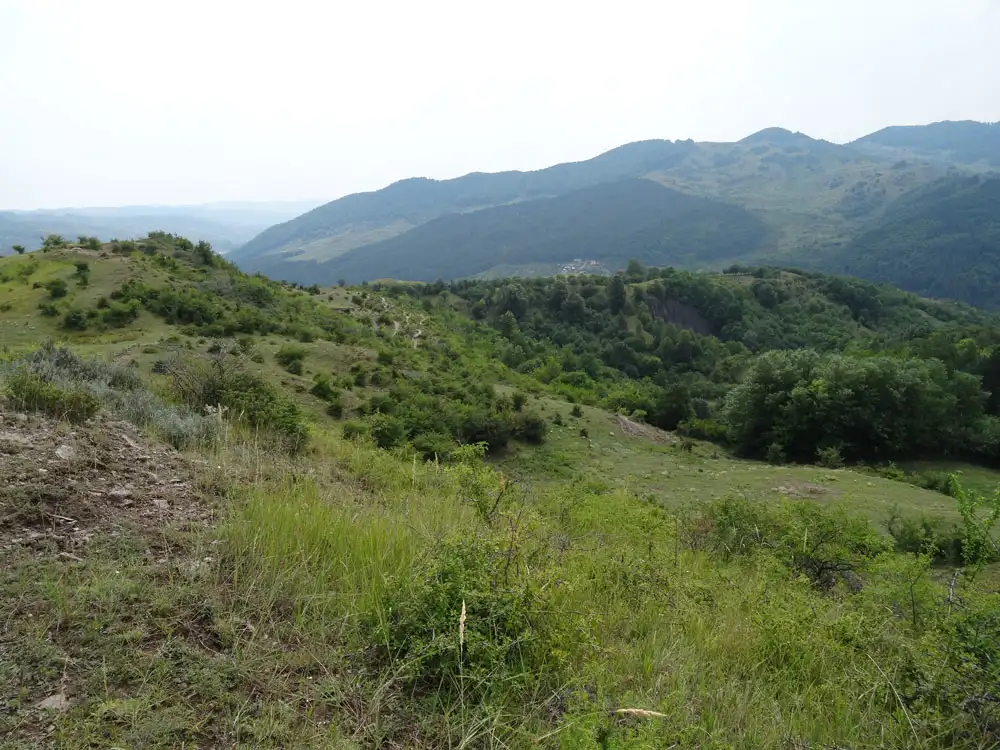
The Meledic Plateau is a nature reserve of national interest, protected for its geology, its caves and its wildlife. It lies in Mânzălești commune, in the upper Slănic valley, about 60 km north-west of the town of Buzău.
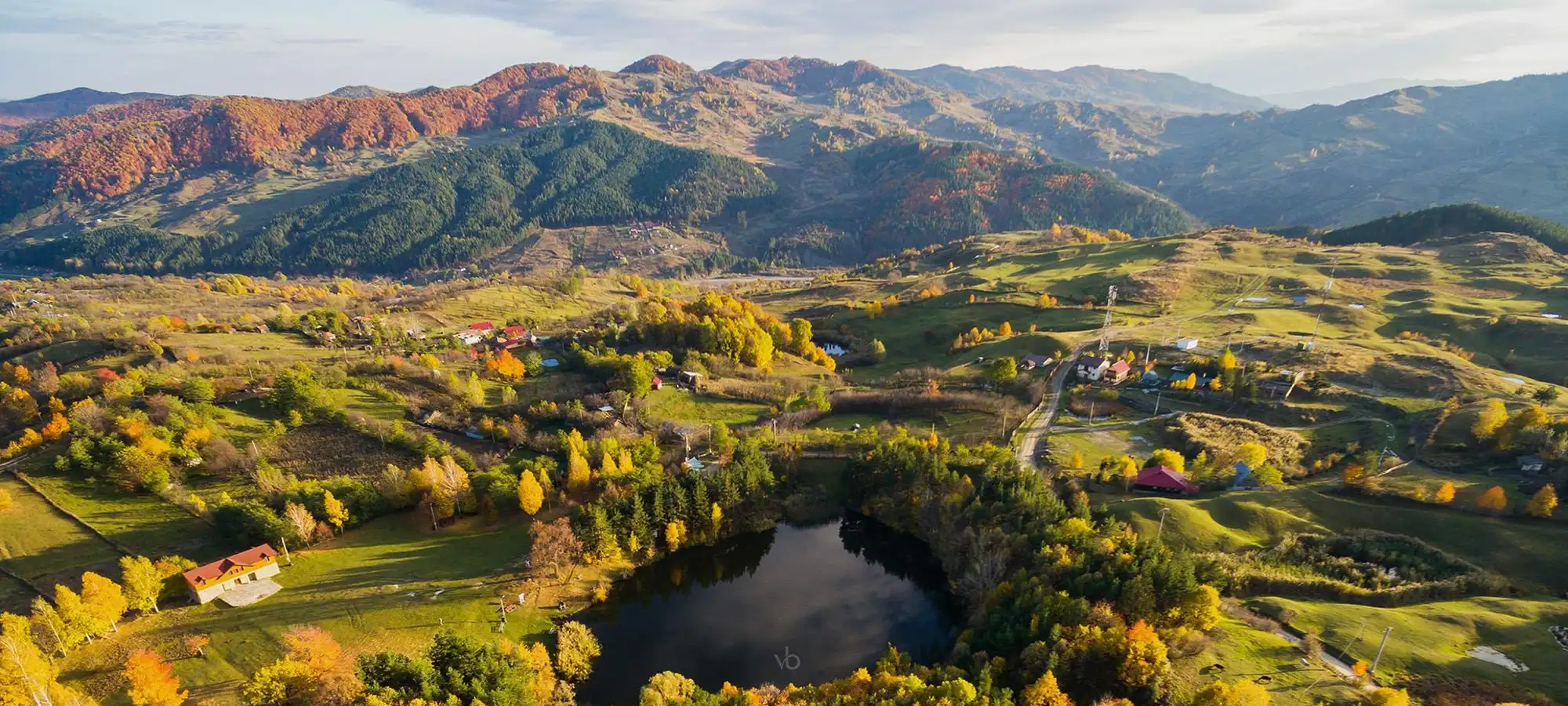
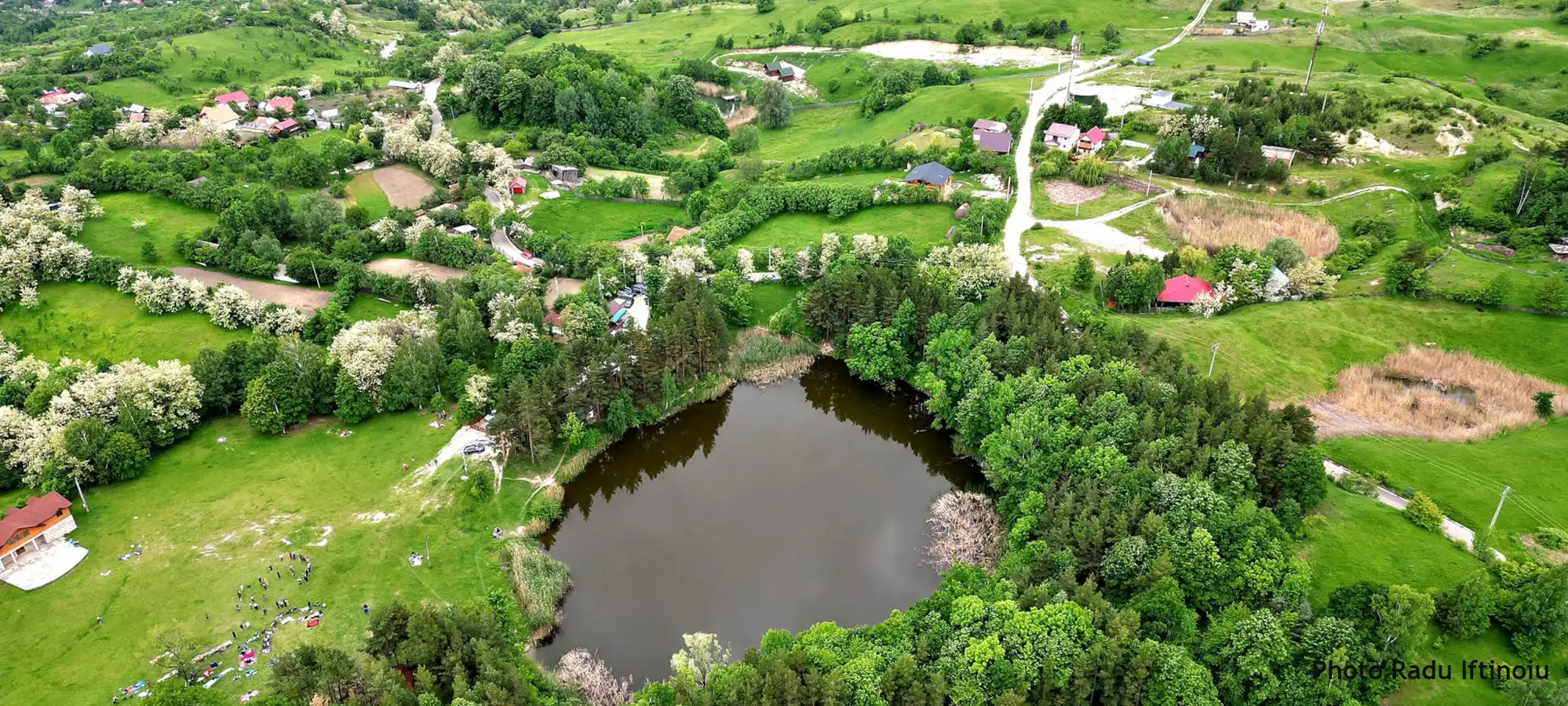
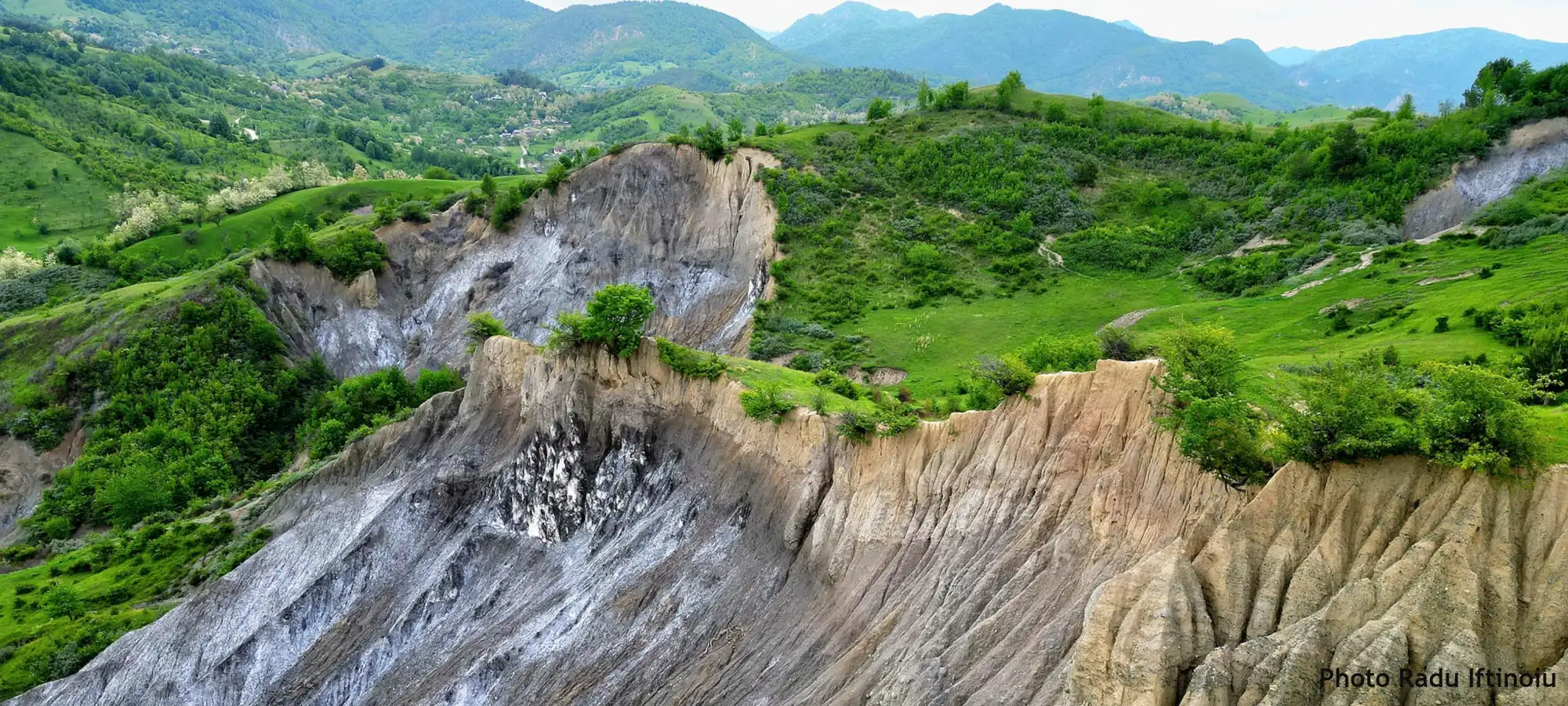
Under its meadows and forests lies a salt massif. Rainwater has dissolved hollows in it, called sinkholes, and some have filled with fresh water: these are the plateau’s lakes, among them the Great Lake and the Castle Lake. Along its edges, the salt shows through in grey and white cliffs carved by the rain.
This is also where the 6S cave opens, the longest salt cave in Europe. It is closed to the public, because salt is an unstable rock. About the cave.
UNESCO Global Geopark
Why UNESCO?
Meledic is part of Buzău Land UNESCO Global Geopark. UNESCO approved the geopark on 13 April 2022, making it the second UNESCO Global Geopark in Romania, after Hațeg Country.
It covers about 1,036 km² and 18 communes, home to some 43,000 people. In 2025, the UNESCO Global Geoparks Council, meeting in Chile, renewed its status for four more years; the certificate was handed over in May 2026, and the next evaluation visit is due in 2029.
The geopark at a glance · Official geopark website (in Romanian)
Things to see
Places to discover
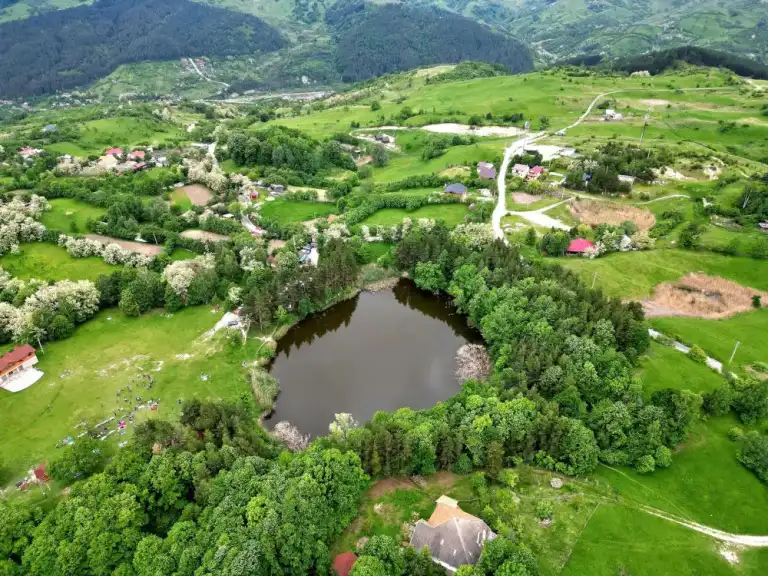
The Meledic Plateau
A nature reserve on a salt massif, with meadows, sinkholes and forests.
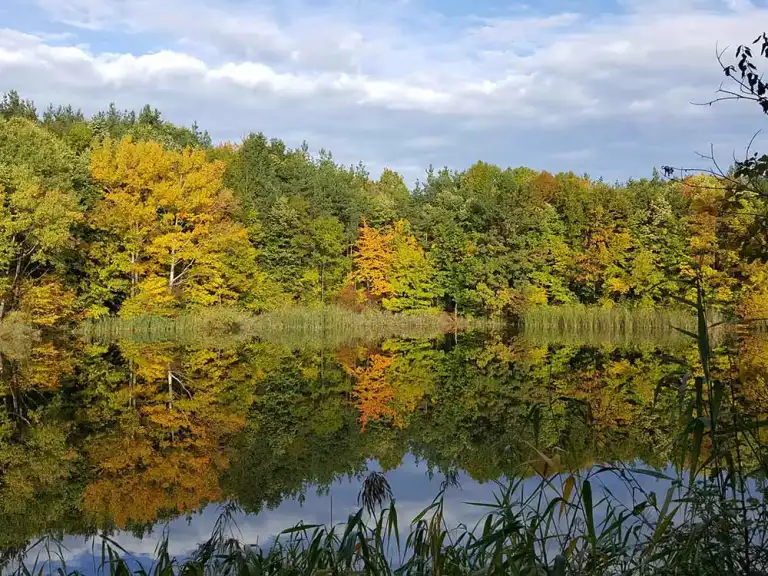
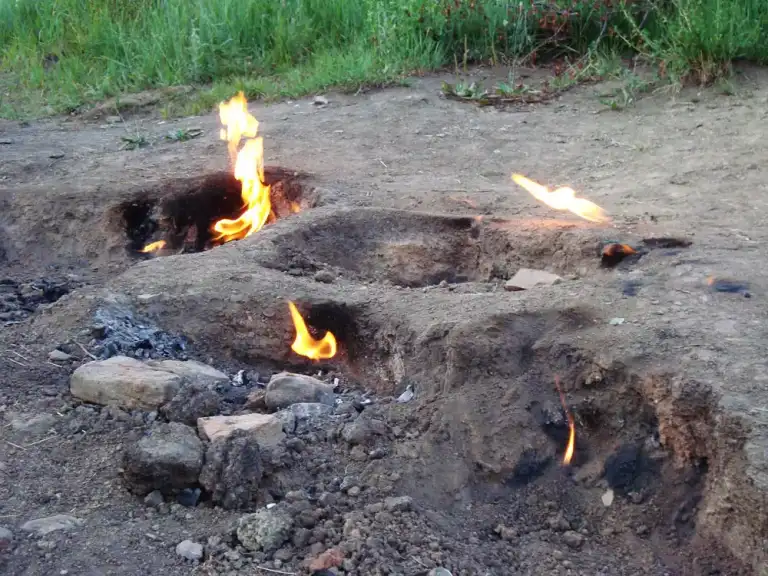
The eternal fires
In Terca, Lopătari commune, flames rise straight out of the ground.
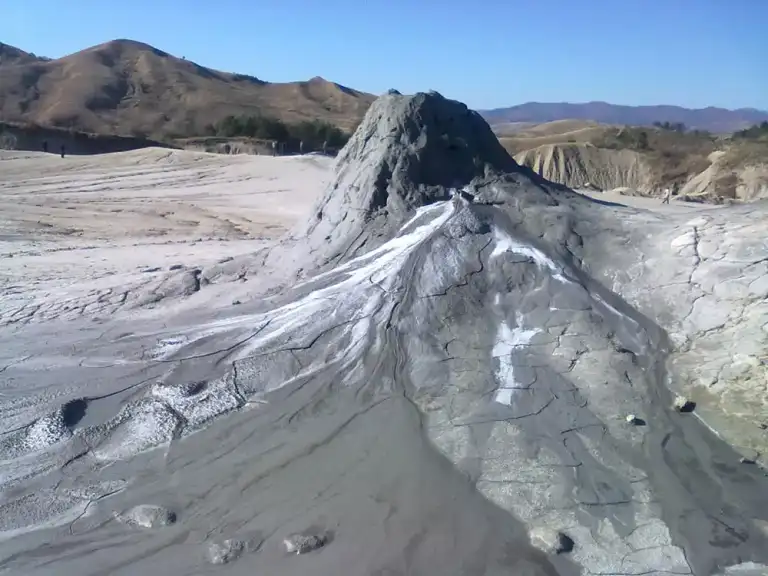
The mud volcanoes
Pâclele Mari and Pâclele Mici, near Berca: a landscape of grey mud.
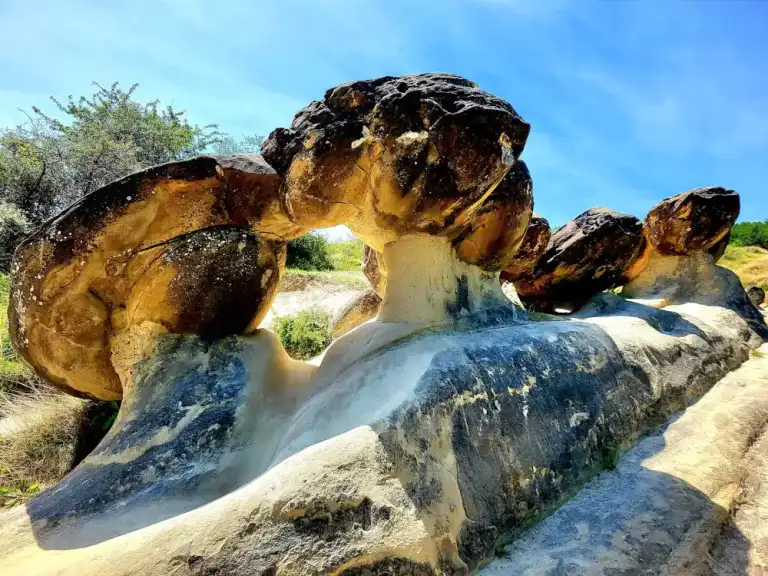
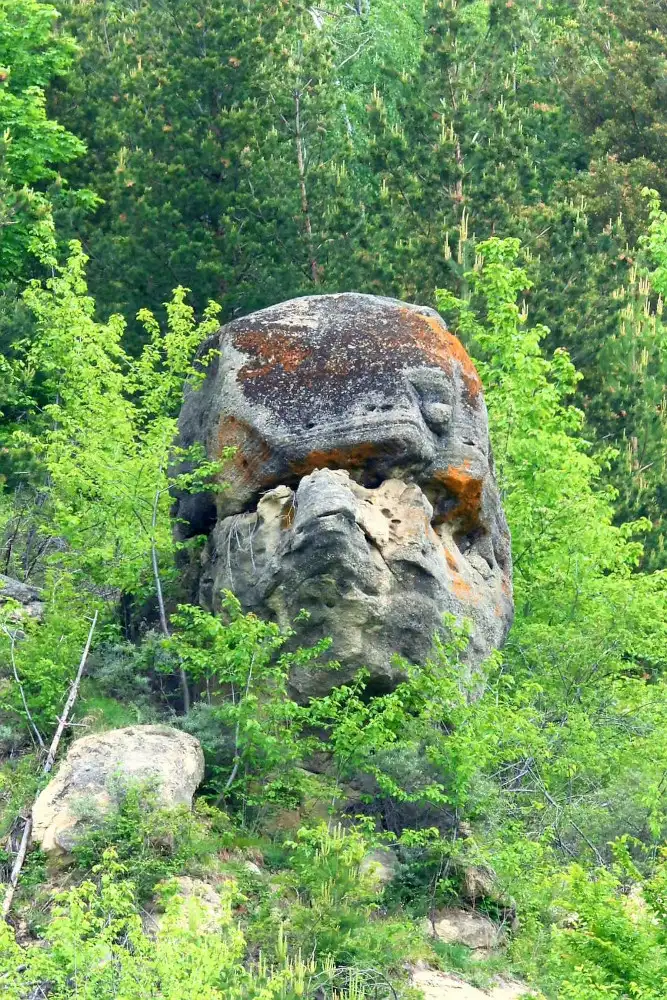
If Romanians follow the example of the French, they will recognise that they have in abundance what they go looking for far away …
A. de Richard, Méledic, 1898 (translated from French)
Tales of old
Meledic, as Alexandru Vlahuță saw it in 1901
“We are at Meledic, one of the widest openings in the Buzău Carpathians. … A proud castle rises on the edge of the lake, flowers surround us, the stars tremble in the lake, and down in the valley the waters of the Slănic softly murmur.”
Alexandru Vlahuță, România pitorească, 1901 (translated from Romanian)